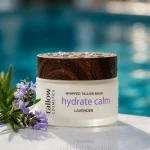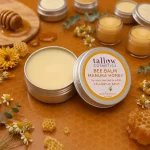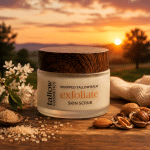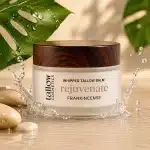


Great-grandma didn’t need a cabinet full of skincare products—just nature’s best-kept secrets. As we age, skincare for mature skin should focus on natural ingredients while addressing sensitivity, dryness, and hormonal changes.
In our 40s, our skin changes due to hormonal shifts and nutrient loss. Our bodies become less efficient at metabolising nutrients, leading to lower levels of minerals, fatty acids, collagen, and vitamins that contribute to youthful, bouncy skin. Moreover, hormonal fluctuations can lead to drier or combination skin as our bodies adjust to menopause. These changes are entirely natural, but you may need to make some adjustments to your beauty routine.
How to Take Care of Your Skin in Your 40s
Your complexion is changing—and that’s okay. The key is to provide deep hydration and cellular regeneration, and to avoid harsh chemicals for the best results.
Choose Easy-to-Use Products
There’s nothing more motivating than seeing results. If you need a boost to maintain your skincare routine, opt for products that offer an instant glow. While significant results may take a few weeks (at least 4–6), you should notice improvements in hydration and sensitivity relatively quickly. Trust these effects to help motivate you to stay consistent.
Avoid Heavy Cleansers
With the drop in estrogen during your 40s, your skin has less moisture. Foaming cleansers can strip moisture, leaving your skin feeling tight and stiff. Instead, cleanse once a day using a hydrating cleanser, such as an oil-based cleanser.
Eliminate Toxic Makeup
It’s never too late to switch to safer products. Now is a great time to clean out your makeup bag. Ingredients like microplastics, alcohol, and synthetic fragrances can undermine the benefits of even the best skincare routine, as they tend to dry out your skin and exacerbate fine lines and wrinkles.
Ingredient Dos and Don’ts for Mature Skin
As you age, being mindful of the ingredients in your beauty products becomes essential, especially if you experience sensitivity or dry patches. If you find yourself checking ingredient labels, it might be time to trust nature over synthetic chemicals.
Ingredients to Use
- Bakuchiol: Known as nature’s retinol, bakuchiol has been shown in studies to have similar anti-aging effects to retinol, but without the sensitivity and irritation risks.
- Natural Vitamin A: Most anti-aging products rely on synthetic vitamin A, which isn’t as bioavailable to the skin. Look for products containing naturally occurring vitamin A, which is better absorbed and safer.
- Conjugated Linoleic Acid: Found in grass-fed tallow, this fatty acid helps restore the skin barrier and reduce inflammation, making it especially beneficial for dry and sensitive skin.
- Whole-Food Vitamin C: Antioxidants are essential for cell health. Whole-food vitamin C is packed with antioxidants that protect against free radical damage, which can lead to wrinkles and fine lines.
- AHA Fruit Acids: Also known as alpha-hydroxy acids, these promote cell turnover with gentle exfoliating properties, offering a natural alternative to chemical peels.
Ingredients to Avoid
- Synthetic Retinol: While retinol can promote cell turnover, it was only approved for skincare use in 1971, and it tends to disrupt the skin barrier because it’s synthetically made.
- Fractionated Ingredients: Many compounds in skincare are isolated synthetically, which can strip away the protective fatty acids and nutrients that make those ingredients safe and calming.
- Chemical Sunscreen: Although sun exposure can lead to premature aging, chemical sunscreens (like oxybenzone) have been shown to enter the bloodstream and linger for days. Opt for a safe mineral sunscreen and wear a hat for sun protection.
- Botox: Your body deserves better than Botox, and you should feel free to age gracefully. Botox works by paralysing muscles, which isn’t a natural or healthy method for skincare.
- Synthetic Fragrance: Fragrance can be a red flag in ingredient labels, as companies aren’t required to disclose its components, which can include up to 3,000+ unidentified chemicals. For sensitive skin, it poses a high risk.
Building Your Skincare Routine for Mature Skin
When creating a skincare routine for mature skin, consistency is key—prioritise products you love and establish a regimen that’s easy to maintain. For the basics, we recommend a good cleanser, serum, and moisturiser.
Morning Routine
- Cleanse: Cleanse with a hydrating product to remove impurities without stripping moisture.
- Apply a Serum: Look for a serum rich in antioxidants and natural ingredients like vitamin C or bakuchiol. These help brighten your complexion and protect against environmental stressors.
- Moisturise: Choose a moisturiser that contains nourishing ingredients such as hyaluronic acid, natural oils, or antioxidants. This will help lock in moisture and keep your skin hydrated throughout the day.
- Sunscreen: Always finish with a broad-spectrum mineral sunscreen (SPF 30 or higher) to protect your skin from harmful UV rays. This step is crucial to prevent premature aging and sun damage.
Evening Routine
- Cleanse: Use the same hydrating cleanser to wash away makeup and impurities accumulated throughout the day.
- Apply a Serum: For your evening routine, consider using a serum that focuses on reparative ingredients like peptides or natural vitamin A. This will work overnight to support skin renewal.
- Moisturise: Apply a richer moisturiser or night cream that contains ingredients like natural oils or botanical extracts to help your skin repair while you sleep.
- Optional Treatment: If desired, incorporate a targeted treatment once or twice a week, such as a gentle scrub or mask with AHA fruit acids for exfoliation and cell turnover.
Tips for Consistency
- Set a Routine: Aim to stick to a consistent morning and evening routine. Keeping your products in a visible location can serve as a reminder.
- Listen to Your Skin: Pay attention to how your skin reacts to different products. Adjust your routine based on its needs.
- Stay Hydrated and Maintain a Balanced Diet: Remember, healthy skin also comes from within. Drink plenty of water and eat a balanced diet rich in fruits, vegetables, and healthy fats.
- Be Patient: Skin transformations take time. While some products may show quick results in hydration or sensitivity, more significant changes may take weeks.
Embrace these natural ingredients and prioritise a straightforward routine that works for you. With patience and consistency, you can achieve glowing, healthy skin even as you navigate the changes of aging.